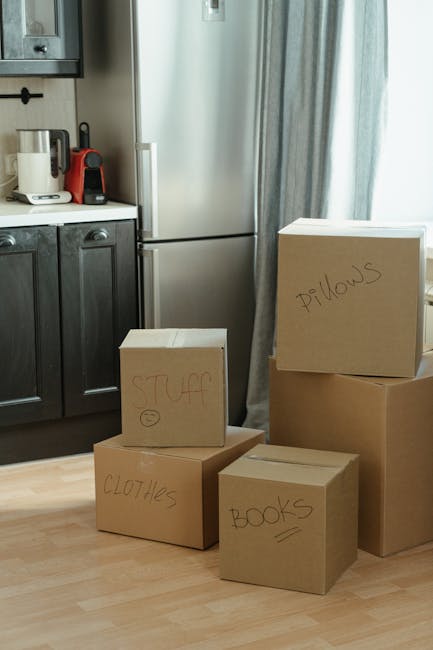
Top moving myths that make relocations costlier
Moving house or relocating an office should feel like a fresh start, not a slow leak in your budget. Yet plenty of people fall for the same moving myths, and those myths quietly make relocations costlier than they need to be. Truth be told, the expensive part is often not the van or the labour on the day; it is the chain of assumptions made beforehand. "I can do it all myself." "Packing is just boxes and tape." "The cheapest quote is always the best quote." Sound familiar?
This guide breaks down the top moving myths that make relocations costlier, explains why they catch people out, and shows you how to plan in a calmer, smarter way. Whether you are moving a flat, a family home, or a business premises, the same pattern appears again and again: small misunderstandings become surprise charges, delays, extra trips, damaged items, and a much more stressful moving day than anyone signed up for.
Use this as a practical reality check. Not theory, just the stuff that tends to matter when the boxes are stacked in the hallway and the kettle has gone missing.
Why Top moving myths that make relocations costlier Matters
Most relocation budgets do not blow up because of one giant disaster. They go off course because a handful of "obvious" beliefs turn out to be wrong. That is why moving myths matter so much. They distort decisions right from the start: how much space you need, how long loading will take, whether packing should be outsourced, and whether the move can genuinely be done on one trip.
Here is the key point. Moving costs are rarely fixed by one single price tag. They are shaped by volume, access, timing, labour, fuel, parking, equipment, packing materials, and the amount of time your move actually takes. If you underestimate any of those things, you usually pay for it later. Sometimes that means a second trip. Sometimes it means emergency packing supplies at the worst possible moment. Sometimes it means paying for avoidable damage. Not ideal.
For home moves, this often shows up as underestimated furniture size, too many loose items, or underprepared access at one end of the journey. For commercial moves, the risks can include lost working time, unplanned downtime, and a relocation that drags into the next day. If you are planning home moves or commercial moves, the myth-busting side of planning is as important as the vehicle itself.
And yes, in a city like London, a move can be shaped by practical details that people forget: narrow stairwells, controlled parking, lift bookings, congestion, and the simple fact that a van cannot magically appear in a loading bay that has already been taken. Small things, big consequences.
Table of Contents
- Why Top moving myths that make relocations costlier Matters
- How Top moving myths that make relocations costlier Works
- Key Benefits and Practical Advantages
- Who This Is For and When It Makes Sense
- Step-by-Step Guidance
- Expert Tips for Better Results
- Common Mistakes to Avoid
- Tools, Resources and Recommendations
- Law, Compliance, Standards and Best Practice
- Options, Methods, or Comparison Table
- Case Study or Real-World Example
- Practical Checklist
- Conclusion
- Frequently Asked Questions
How Top moving myths that make relocations costlier Works
The way these myths work is frustratingly simple. A person assumes the move will take less time, less space, or less effort than it really does. That assumption affects the quote they request, the service they choose, and the preparation they do. Then the real conditions show up on moving day and everything becomes more expensive.
Take the myth that "packing is easy." Packing is easy in the same way assembling flat-pack furniture is easy: it looks simple until you are surrounded by awkward shapes, fragile items, and boxes that refuse to stack properly. If you pack in a rush, you may use too many boxes, waste materials, overfill containers, or leave things unprotected. The result can be damage, re-packing fees, or extra time on the clock.
Another common pattern is misunderstanding what a quote covers. Some people compare only the headline number and miss what is actually included. Is there loading and unloading help? Is waiting time charged? Are packing materials included? Is access assumed to be straightforward? If you are comparing prices, it helps to review pricing and quotes with a careful eye, because the cheapest looking option can become the most expensive by the end of the day.
Finally, there is the "I'll just get a bigger vehicle if needed" myth. A bigger vehicle is useful, sure. But if the load is not planned properly, a larger vehicle does not fix poor packing, inaccessible entrances, or a badly timed handover. You need coordination, not just capacity.
Key Benefits and Practical Advantages
When you stop believing the usual myths, the benefits are immediate and pretty tangible. The move feels less chaotic, the budget is easier to control, and the day itself tends to run with fewer arguments and fewer "wait, where is that?" moments.
- More accurate budgeting: You are less likely to be caught by overtime, extra trips, or missing equipment.
- Less damage: Proper packing and the right transport reduce the risk of broken items and scratched furniture.
- Better time control: Realistic planning means fewer delays and fewer last-minute scrambles.
- Lower stress: When expectations are grounded in reality, the day feels manageable instead of messy.
- Smarter service choice: You can match the move to the right level of help, whether that is a man and van setup, a full removal team, or something in between.
There is also a less obvious benefit: confidence. Once you understand what really drives relocation costs, you are much better equipped to ask the right questions. That alone can save money. A customer who asks about access, packing, vehicle size, and timing usually makes a better decision than someone who just wants the fastest yes.
If you are moving bulky or awkward items, it may also be worth looking at services such as furniture pick up or arranging the right vehicle through moving truck options. The point is not to buy more. The point is to buy the right help once.
Who This Is For and When It Makes Sense
This guidance is useful for almost anyone moving, but it is especially valuable if you are trying to keep costs under control without cutting corners. That includes first-time movers, busy families, landlords, office managers, small business owners, and anyone trying to coordinate a move around work, school, or a tight completion date.
It is also relevant if you are moving from a property with tricky access. Top floor flats, basement properties, terraced houses with narrow entrances, and offices in busy commercial streets all tend to expose weak planning very quickly. To be fair, even straightforward-looking moves can turn awkward fast once the sofas, desks, plants, monitors, and "one last box" enter the picture.
This is the kind of advice that helps when you are deciding whether you need house removalists, a smaller man with van arrangement, or more structured support such as packing and unpacking services. It also helps businesses weighing up office relocation services, where timing and downtime matter just as much as transport.
If your move is small and simple, the advice still matters. Small moves can become surprisingly expensive when people assume they need almost no planning. That is usually when the hidden costs sneak in.
Step-by-Step Guidance
Here is a practical way to keep moving myths from inflating your budget. Nothing fancy. Just a sensible sequence that works.
- List everything you are moving. Room by room, drawer by drawer if needed. Big items first, then the smaller things that always take longer than expected.
- Separate essentials from non-essentials. You do not want to pay to move items you will not need straight away. Keep the first-night box close.
- Measure awkward furniture. Sofas, wardrobes, mattresses, desks, and white goods are the usual troublemakers. Measure doorways too. That tiny detail saves real money.
- Check access at both properties. Stairs, lifts, parking, distance from the van to the door, and loading restrictions all affect time.
- Choose the right level of help. A smaller load might suit man and van, while a larger or more delicate move may need a removal truck or a fuller team.
- Ask what the quote includes. Labour, waiting time, packing materials, fuel, and any access assumptions should all be clear before you book.
- Pack in a way that reduces handling time. Heavy items in small boxes, fragile items wrapped properly, labels on multiple sides. Simple, but it works.
- Build in a buffer. If you think something will take two hours, allow a bit more. Moving day has a habit of surprising people.
One useful rule: if an item feels annoying to lift now, it will feel even more annoying halfway down the stairs later. Better to plan for it honestly from the start.
Expert Tips for Better Results
Here are a few practical observations that tend to save money without making the move feel over-engineered.
Tip 1: Declutter before you pack. This is not just about being tidy. Every item you do not move is one less item to pack, lift, protect, and transport. Outgrown clothes, duplicate kitchen items, broken chairs, old files, random cables - they add weight and time without adding value.
Tip 2: Keep fragile and heavy items separate. People often combine them because it seems efficient. It usually is not. Heavy items crush lighter ones, and then you end up repacking the whole box. A little boring, but effective.
Tip 3: Photograph valuable items before moving. This is a sensible habit for furniture, electronics, and anything with visible condition issues. It helps you keep a simple record of what was there before the move.
Tip 4: Think about the route, not just the vehicle. A move can be delayed by something as mundane as a long carry from the van to the front door. That is not glamorous, but it matters. It really does.
Tip 5: Ask about protection and insurance before moving day. If something is delicate or high-value, make sure you understand what level of protection is available. Insurance and safety information should not be an afterthought.
If you are dealing with large loads or reusable items, you may also want to think about the wider journey for waste and surplus furniture. Recycling and sustainability practices can help you avoid unnecessary disposal costs and reduce clutter before the move. Less stuff, less fuss.
Common Mistakes to Avoid
This is where the real money often disappears. Not in dramatic ways. In small mistakes that add up.
- Booking based on price alone. A low quote can be misleading if it excludes the time, support, or equipment you actually need.
- Underestimating volume. The "we only have a few things" myth is famous for a reason. Those few things are often much more than they appear.
- Ignoring access issues. Parking restrictions, stairs, or narrow entrances can create delays and extra labour.
- Poor packing choices. Loose items, overfilled boxes, and no labels make loading slower and riskier.
- Leaving everything to the last day. That creates stress, creates waste, and yes, creates extra cost. There is no magic to it.
- Assuming all removals are the same. A family house move, a studio flat, and an office relocation are very different jobs.
- Forgetting the small extras. Tape, covers, wraps, dismantling time, and waiting time may seem minor individually. Together, they bite.
A small human truth here: the house always has more stuff in it than you remember. Always. The back of the cupboard is basically a museum.
Tools, Resources and Recommendations
You do not need a complicated toolkit to move well. You need a few simple things and a little structure.
- Room-by-room inventory: Helps you estimate volume and decide what should stay or go.
- Marker pens and labels: Saves time at the other end, especially if multiple people are helping.
- Measuring tape: Useful for furniture, doorframes, lifts, and access points.
- Phone camera: Ideal for documenting item condition, cable setups, or furniture arrangements.
- Strong tape and sturdy boxes: Cheap boxes can collapse under pressure; that is not the bargain people hope for.
- Packing paper, wraps, and covers: Helps avoid scratched surfaces and broken glass.
If you are still deciding what support level makes sense, compare the move against your time, physical effort, and likely risk. A small move might suit man with van support, while a larger household could be better served by a fuller removals setup. For bigger or more structured jobs, removal truck hire can make more sense than trying to squeeze everything into the wrong size vehicle.
For businesses, a more organised approach usually pays for itself in reduced downtime. That is often the deciding factor, not the vehicle alone.
Law, Compliance, Standards and Best Practice
Moving is not usually a heavily regulated activity for the customer in the way some industries are, but there are still important best-practice expectations to keep in mind. Parking rules, building access rules, safe lifting, insurance arrangements, and clear booking terms all matter. In London especially, a move can be affected by local access restrictions and property management requirements that catch people off guard.
From a practical standpoint, it is wise to confirm what the moving provider expects from you and what they provide in return. That includes clarity around payment terms, cancellation conditions, item handling, and any responsibilities for access or parking. Terms and conditions should be read before the move, not after a dispute appears. A bit dull, yes. Also useful.
For safety, lifting techniques, item protection, and the handling of heavy loads should be taken seriously. If you are moving fragile, valuable, or awkward goods, check how the provider approaches protection and liability. That is one reason people look at health and safety policy details and ask sensible questions before booking.
On the trust side, it also helps to understand who you are dealing with. A provider's about us information can be useful when you want to know whether the business is transparent, straightforward, and experienced enough for the kind of move you are planning.
Options, Methods, or Comparison Table
One of the biggest moving myths is that all help is the same. It is not. The right method depends on the size of the job, the access, and how much you want to handle yourself. Here is a simple comparison.
| Option | Best for | Strengths | Watch outs |
|---|---|---|---|
| Man and van | Small to medium moves, flexible jobs, single loads | Often quick, practical, and cost-effective for lighter relocations | Can become inefficient if the load is larger than expected |
| House removalists | Full household moves or more complex home relocations | Better for larger inventories and heavier furniture | May be more than you need for a very small move |
| Moving truck or removal truck hire | Bulkier loads and moves needing more capacity | Useful when volume is the main issue | Poor packing can waste the extra space and still cause delays |
| Packing and unpacking services | Time-poor customers, fragile items, or complex homes/offices | Reduces stress and helps protect items | Worth it most when preparation time is limited or the contents are delicate |
There is no single winner here. The real question is: what is the cheapest way to move without creating extra problems? That answer changes from job to job, and sometimes from room to room.
Case Study or Real-World Example
Picture a fairly typical London flat move on a Friday afternoon. The customer thinks the job is small: one sofa, a bed, a desk, several boxes, and a few awkward bags from the loft. On the day, there is no lift available for half an hour, parking is further away than expected, and the sofa does not fit neatly through the hallway without being turned. Nothing dramatic. Just enough friction to stretch the schedule.
At first glance, the customer expects a quick in-and-out job. In reality, the move needs better planning: dismantling time, extra wraps for the sofa legs, a clearer route through the stairwell, and a bit of patience. Because those details were not accounted for, the move takes longer and costs more than it should have.
Now compare that with a better-prepared version. The customer measures the sofa and bed beforehand, clears the hallway, books an appropriate vehicle, separates essentials from surplus items, and confirms access details in advance. Same move, different outcome. Less stress. Less chance of surprise charges. Much better mood by the end, which matters more than people admit.
That is really the heart of the issue. Costlier relocations are not usually caused by bad luck. They are often caused by avoidable assumptions.
Practical Checklist
Use this checklist before you book or pack. It is simple, but it catches a lot.
- Have I listed every item that needs moving?
- Have I measured large furniture and checked access at both properties?
- Do I know whether I need help packing, loading, or both?
- Have I compared like-for-like quotes, not just headline prices?
- Do I understand what is included in the service and what costs extra?
- Have I labelled boxes clearly and kept essentials separate?
- Have I arranged parking or building access where needed?
- Have I protected fragile, valuable, or awkward items properly?
- Have I decluttered enough to avoid moving things I do not need?
- Do I know who to contact if plans change on the day?
If you can answer most of those confidently, you are already ahead of the average move. Not perfect. Just ahead. And that helps.
Conclusion
The top moving myths that make relocations costlier all have one thing in common: they make the move seem simpler than it really is. That sounds harmless at first, but it leads to poor planning, underestimated quotes, rushed packing, access problems, and unnecessary stress. Once you see the pattern, though, it becomes much easier to avoid it.
The smartest approach is usually a calm one. Know your inventory, understand the access, match the service to the job, and ask clear questions before booking. Whether you are planning a house move, an office relocation, or a smaller furniture move, those basics tend to save more money than any last-minute shortcut ever will.
And honestly, that is the encouraging part. You do not need to be an expert mover to avoid expensive mistakes. You just need to be a little more prepared than the myths expect you to be.
Get a free quote today and see how much you can save.
Frequently Asked Questions
What are the biggest moving myths that increase costs?
The biggest ones are usually underestimating how much you own, assuming packing takes no time, believing the cheapest quote is always best, and thinking access details do not matter. Those assumptions often lead to delays and extra charges.
Why does a low moving quote sometimes end up costing more?
A low quote can look attractive if it leaves out things like waiting time, packing materials, difficult access, or extra labour. The final cost may rise once the real conditions of the move become clear.
Is a man and van service always cheaper than a full removal team?
Not always. A man and van setup can be cost-effective for smaller loads, but if the move is larger or slower than expected, a fuller service may work out better value overall.
How can I tell if I am underestimating the size of my move?
If you have furniture in multiple rooms, fragile items, or a lot of boxes you have not counted properly, you may be underestimating. Measuring bulky items and making a room-by-room list usually gives a more realistic picture.
Does packing myself always save money?
It can, but not if it is rushed or badly done. Poor packing often leads to damaged items, wasted materials, and longer loading times. In some cases, professional packing and unpacking services are better value.
What hidden costs should I ask about before booking?
Ask about labour time, waiting time, parking or access issues, packing materials, dismantling and reassembly, and whether the quote assumes easy loading. Those are the usual cost-creep areas.
How early should I start planning a move?
Earlier than most people do, to be fair. As soon as your moving date is likely, start listing items, checking access, and comparing options. Early planning gives you more choice and fewer expensive surprises.
Are office moves more expensive because of the myths too?
Yes, often. Office relocation costs can rise when businesses underestimate downtime, IT handling, furniture volume, or the time needed to organise the move. A structured plan helps keep disruption down.
Should I choose removal truck hire or a smaller van?
It depends on volume, access, and how many trips you want to avoid. Removal truck hire makes sense for larger loads, while a smaller van can suit lighter, simpler jobs.
What is the most common mistake people make on moving day?
Leaving too much for the last minute. That leads to rushed packing, missing labels, forgotten essentials, and avoidable delays. Moving day tends to reward people who prepared the boring stuff early.
How do I know if I need furniture pick up as part of the move?
If you are collecting bulky second-hand items, shifting furniture between properties, or moving pieces that do not fit in a standard load, furniture pick up can be a practical addition.
What is the best way to keep relocation costs under control?
Be realistic. Declutter first, measure properly, choose the right service level, and compare quotes like for like. The cheapest route is usually the one with the fewest avoidable surprises.