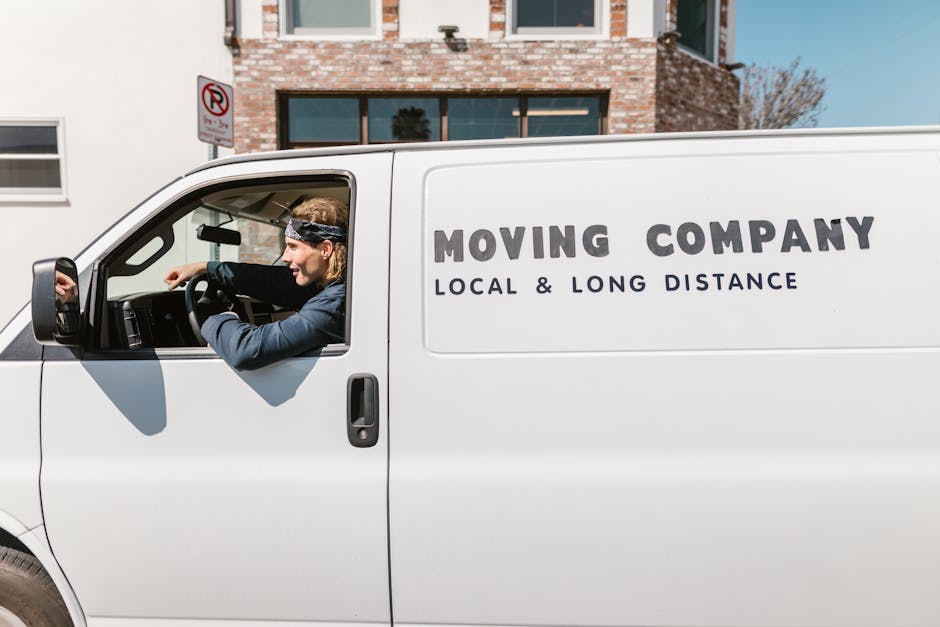
DIY moving vs hiring pros: risk and cost comparison

Moving day has a way of revealing the truth about your plans. The boxes look lighter on Tuesday, then suddenly there's a sofa that won't fit through the hallway, a mattress that feels twice its size, and a van that seemed "big enough" until the last minute. That's why a proper DIY moving vs hiring pros: risk and cost comparison matters. It is not just about the headline price. It is about hidden costs, injury risk, time, stress, insurance, and how much disruption you can realistically handle.
For some moves, doing it yourself makes perfect sense. For others, hiring professionals is the safer, calmer, and sometimes cheaper choice once everything is counted properly. In this guide, we'll break down the real trade-offs in plain English so you can decide with confidence, not guesswork.
Why DIY moving vs hiring pros: risk and cost comparison Matters
At first glance, DIY moving looks like the budget-friendly option. Rent a van, ask a few mates, buy tape and boxes, and off you go. Simple, right? Well, sometimes. But the true cost of moving is broader than the rental fee or the removal quote. You need to think about fuel, parking, congestion charges if applicable, equipment, packing materials, time off work, and the risk of damage or injury.
Hiring pros can seem more expensive on paper, yet it often bundles in labour, loading know-how, vehicle capacity, and experience with awkward items. That matters a lot when the stairs are narrow, the weather is grim, or the sofa is fighting for its life in a tight Victorian terrace. If you have ever tried pivoting a wardrobe in a hallway with a wonky light fitting, you know the feeling.
Risk is the other half of the equation. DIY moving means you carry the responsibility for lifting, loading, transporting, and unloading. If something gets scratched, dropped, or delayed, it is your problem to solve. With professional movers, that burden is reduced. Not vanished, to be fair, but reduced.
For many households, the question is not "Which is cheapest?" but "Which is cheapest once the whole day is over?" That is the real comparison.
If you are still weighing up options, services like home moves and house removalists are worth reviewing alongside a DIY plan, because seeing the service structure can make the cost difference easier to judge. For lighter jobs, a man with van service can also sit somewhere in the middle between fully DIY and a full-scale removal team.
How DIY moving vs hiring pros: risk and cost comparison Works
The comparison works best when you break the move into parts: planning, packing, loading, travel, unloading, and setup. DIY usually means you handle every step yourself. Hiring professionals means you buy time, skill, and logistics support as a package.
What DIY moving usually includes
In a DIY move, you are likely to arrange the van or truck, collect packing supplies, ask friends or family to help, wrap fragile items, lift furniture, and drive between properties. You also need to manage access, parking, timing, and any last-minute issues. A lot can go right. A lot can also wobble a bit, especially if one helper cancels on the morning.
What hiring professionals usually includes
Professional movers typically arrive with a suitable vehicle, tools for loading, and a team that knows how to handle bulky, heavy, or fragile items. Depending on the service, they may also offer packing and unpacking support. For example, if you want help with delicate items or a deadline-driven move, packing and unpacking services can remove a huge amount of strain from the day.
Some people only need transport. Others need the full works. A business relocation, for instance, may lean toward commercial moves or office relocation services, because the main goal is to reduce downtime and keep things moving without chaos in the middle of the workday.
Where the cost difference comes from
DIY looks cheaper because the labour is "free" in the sense that you are doing it yourself or calling in favours. But labour is still a cost if it takes a whole day or two, or if your back complains for three days after. Van hire, fuel, packing materials, insurance add-ons, and potential replacement costs all stack up.
Hiring pros often has a clearer upfront price. That is useful. You can compare quotes and budget with more certainty. If pricing clarity matters to you, it may help to check pricing and quotes before you decide, especially if your move involves larger items or timing constraints.
Key Benefits and Practical Advantages
There is no one-size-fits-all answer here, and that is fine. The smart move is to choose the option that best fits your risk tolerance, budget, and available help. Each approach has genuine strengths.
DIY moving benefits
- Lower cash outlay up front: If you already have boxes, a car, and willing helpers, the immediate spend can be modest.
- Full control: You decide how things are packed, labelled, and loaded.
- Flexible timing: You can spread the move over a few trips if needed.
- Good for small loads: A studio flat, a few furniture items, or a student move can be manageable.
Hiring professional movers benefits
- Reduced physical strain: Less lifting, less bending, fewer chances of a strained shoulder or worse.
- Better handling of awkward items: Sofas, wardrobes, appliances, and pianos-like nightmares for DIY teams.
- Faster execution: An experienced crew can often load and unload more efficiently than a group of friends on a Saturday morning.
- Lower damage risk: Skilled packing and carrying reduces avoidable knocks and scrapes.
- More predictable outcome: You are buying experience, not just a van.
There is also the hidden benefit of peace of mind. It sounds a little soft until you are standing in a doorway with a fridge halfway out and your phone buzzing with parking worries. Then it feels very practical indeed.
Who This Is For and When It Makes Sense
DIY moving makes the most sense when the job is small, the distance is short, and you have reliable help. Think flatshare moves, a few boxes, a single bed, or furniture pick-up from a store or private seller. A focused service such as furniture pick up may also be a smarter middle ground if you only need one or two bulky items transported.
Hiring pros is usually a better fit when the move involves heavy furniture, tight access, expensive belongings, children, limited time, or a lot of moving parts. If you are balancing work, childcare, or a lease deadline, the reduced stress alone can justify the cost. Truth be told, some moves are not really "DIY-friendly" once you strip away wishful thinking.
Here is a simple rule of thumb. If the move can be done safely in one vehicle, in one day, with one or two strong helpers and minimal risk of damage, DIY may work. If you are already juggling multiple runs, a steep staircase, or a van that barely fits the loading plan, professional support starts looking sensible very quickly.
For larger vehicles and heavier items, options like moving truck or removal truck hire may be more practical than trying to improvise. Not glamorous, but practical is the name of the game.
Step-by-Step Guidance
Use this process to decide whether DIY or pros is the better call.
- List every item you are moving. Include furniture, white goods, boxes, garden items, and anything awkwardly shaped.
- Measure access. Check stairs, lifts, door widths, parking, and whether a larger vehicle can actually stop close enough.
- Estimate total time. Not just loading time. Add packing, dismantling, travel, parking, and unloading. People often forget the boring bits. Those boring bits eat the day.
- Price the DIY route honestly. Add van hire, fuel, materials, straps, blankets, food, and any lost wages or time off work.
- Price the professional route. Ask for a quote based on the actual volume and access, not just a vague description.
- Compare risk, not just money. How likely is damage? How many helpers do you have? What happens if one person pulls out?
- Choose the option that lowers total friction. The cheapest plan is not always the best value if it leaves you wrecked by 8 p.m.
A useful trick: imagine the worst five minutes of the move. Now ask who is better equipped to handle that moment. DIY can be fine until the lift breaks, the rain starts, or someone's back gives out. Pros are there for those moments.
Expert Tips for Better Results
After many moves, a few things become clear very quickly. The first is that preparation beats enthusiasm. The second is that tape does not fix bad planning. Sorry, it just doesn't.
- Pack by room and priority: Label boxes clearly and keep essentials separate so you are not hunting for kettle leads at midnight.
- Protect floors and corners: Old blankets, cardboard sheets, and careful wrapping can save a lot of aggravation.
- Dismantle furniture early: Doing this the night before reduces panic on moving morning.
- Reserve parking if needed: In London, access can make or break the day. Check local restrictions and leave plenty of margin.
- Keep tools in one bag: Allen keys, screwdrivers, tape, scissors, and zip ties should not disappear into the last box.
- Use the right vehicle size: Too small means extra trips; too large can mean access problems. It is a balance.
If you are leaning toward professional help, asking sensible questions is half the battle. What exactly is included? Is packing available? How is fragile furniture handled? What happens if access is awkward? Good providers are used to these questions and should answer them clearly. That clarity helps build trust, which is worth a lot on moving day.
It also helps to read about insurance and safety before you book. Even if you are not a policy person, this is one of those moments where a little detail matters more than usual.
Common Mistakes to Avoid
The biggest mistakes are usually not dramatic. They are small, boring, and entirely avoidable. Annoying, really.
- Underestimating the volume: A van can feel huge until you start loading furniture with odd shapes.
- Assuming friends will lift heavy items safely: Good intentions do not replace technique.
- Forgetting access issues: Narrow hallways, stairs, parking restrictions, and long carries can turn a simple move into a slog.
- Leaving packing until the last minute: This creates damage risk and makes the day far more stressful.
- Not checking the fine print: Whether you are hiring a van or a moving service, understand what is included.
- Choosing solely on price: The cheapest option can become expensive if something breaks or the move overruns.
A particularly common one is forgetting how tired people become after the first hour. Moving is physical, repetitive work. A team that starts strong can fade fast if the plan is weak. That is where professionals often earn their keep: pace, order, and fewer improvised "we'll just hold it like this for a second" moments.
Tools, Resources and Recommendations
You do not need a warehouse of equipment to move well, but a few tools make a big difference.
- Sturdy boxes: Use a mix of small and medium boxes so you do not create awkward, overfilled bricks.
- Packing tape and marker pens: Keep labelling simple and consistent.
- Furniture covers or blankets: Great for protecting corners and surfaces.
- Straps and trolleys: These help with heavy lifting and reduce strain.
- Zip bags for screws and fittings: Tiny bag, big relief later.
- Snack and water supply: Not glamorous, but by hour four it matters.
On the service side, it can help to compare broader moving support rather than thinking only in "DIY versus full removal team" terms. A man and van service may suit a mid-sized move, while packing and unpacking services can take pressure off even if you handle the rest yourself.
If you are moving a workplace, a commercial setup, or a small office, the tools and risks change again. Things like downtime, equipment handling, and secure transport become more important than just the sticker price.
Law, Compliance, Standards, or Best Practice
Moving is not usually a heavily regulated process for the customer in the way some trades are, but best practice still matters. You have responsibilities around safe lifting, safe driving, parking, and protecting other people's property. If you are using helpers, you should think about injury prevention and whether the task is realistic for the people involved.
For hired services, good operators should be transparent about what is included, how items are handled, and what happens if there is damage or a delay. Terms and conditions should be clear enough to understand without a law degree. If you are hiring any kind of removal support, that clarity is not optional; it is part of trust.
Safety should also be practical, not just something written on a webpage and forgotten. A good approach is to ask how items are protected, how lifting is managed, whether the vehicle is suitable for the load, and how fragile objects are treated. If a service talks plainly about these things, that is usually a good sign.
For anyone who values responsible operations, it may also be useful to look at a provider's health and safety policy and recycling and sustainability commitments. They do not make a move magically easy, but they do tell you a lot about how the business thinks.
Options, Methods, or Comparison Table
Here is a practical comparison of DIY moving and hiring professionals. Costs are shown as relative rather than exact figures, because every move varies by distance, item volume, access, and timing.
| Factor | DIY moving | Hiring pros |
|---|---|---|
| Upfront spend | Usually lower at first glance | Usually higher, but more bundled |
| Hidden costs | Can be significant: fuel, materials, time, extra trips | Often fewer hidden costs if the quote is clear |
| Physical effort | High | Lower for the customer |
| Damage risk | Higher if packing or lifting is rushed | Lower when trained handlers are involved |
| Time required | Longer, especially with multiple trips | Usually faster and more structured |
| Stress level | Can be high, particularly under pressure | Often lower because the logistics are handled for you |
| Best for | Small, simple, low-risk moves | Larger, heavier, time-sensitive, or awkward moves |
A nice middle option exists for many people. If you want transport help but not a full removal crew, comparing man with van and removal truck hire can give you a more realistic budget than jumping straight from "DIY" to "full-service."
Case Study or Real-World Example
Picture a couple moving from a two-bedroom flat into a house on a Saturday morning. On paper, DIY seems sensible. They have a few boxes, a bed frame, a sofa, and some flat-pack furniture. They rent a van, ask two friends to help, and plan to do it in one day.
By 10:30 a.m., they realise the sofa is too awkward for the stairwell without taking the door off. By lunchtime, one helper is tired, another has to leave early, and the wardrobe still needs dismantling. The couple make a second trip they did not budget for. The day stretches into evening, and by the time the last box is inside, everyone is exhausted and slightly sharp around the edges. Nobody has broken anything. But nobody is pretending it was easy either.
Now imagine the same move with professionals. The quote is higher, yes. But the move is completed faster, with a planned loading order, fewer delays, and less personal strain. The couple still have a busy day, but they are not spending their energy improvising around every obstacle. That can be worth a lot, especially when you are trying to settle into a new home without dragging the whole weekend into the mess.
That is the real choice in many cases: not just money, but how much of your time and energy you want the move to consume.
Practical Checklist
Use this checklist before you decide.
- Have I listed everything that needs moving?
- Do I know the access conditions at both properties?
- Have I checked whether the van or truck size is suitable?
- Do I have enough helpers, and are they actually available?
- Have I priced packing materials, fuel, parking, and any time off work?
- Do I have a plan for fragile or valuable items?
- Have I considered injury risk, especially for heavy lifting?
- Would a hybrid option, such as a man and van or packing support, be better value?
- Have I checked the provider's safety, insurance, and payment information?
- Will I still feel okay about this decision if the move runs late?
If you can answer those questions calmly, you are in good shape. If not, it may be a sign that the cheaper option is starting to look a bit expensive after all.
Get a free quote today and see how much you can save.
Conclusion
DIY moving versus hiring professionals is not really a battle between cheap and expensive. It is a comparison between direct cash spend and the broader costs of time, labour, stress, and risk. DIY can be the right answer for smaller, simpler moves where you have time and help. Hiring pros can be the smarter answer when the job is physically demanding, time-sensitive, or simply too important to leave to luck.
The best choice is the one that fits the shape of your move, not the one that sounds cheapest in theory. Be honest about the access, the lifting, the schedule, and your own bandwidth. That honesty saves money, energy, and quite possibly a sore back.
And if the decision still feels a little tangled, that is normal. Moving is a lot. But with the right plan, it becomes manageable, and sometimes even surprisingly smooth.
Frequently Asked Questions
Is DIY moving always cheaper than hiring pros?
Not always. DIY often looks cheaper up front, but once you add van hire, fuel, packing materials, parking, extra trips, and your own time, the gap can shrink quickly.
When is hiring professional movers worth the extra cost?
It is often worth it when you have heavy furniture, limited time, awkward access, fragile items, or a move that would be exhausting to manage on your own.
What are the biggest risks of DIY moving?
The main risks are injury, damage to furniture or walls, underestimating the volume, poor packing, and the move taking far longer than expected.
How do I know whether I need a man and van or a full removal team?
If the move is small and straightforward, a man and van service may be enough. If you need more hands, more structure, or help with heavier items, a fuller removal service is usually better.
Can I save money by doing some parts myself and hiring pros for the rest?
Yes. A hybrid approach often works well. You might pack yourself and hire transport, or use packing support for fragile items while managing the lighter boxes on your own.
What hidden costs should I include in a DIY moving budget?
Include fuel, van or truck hire, deposits, tapes and boxes, protective materials, parking, tolls if relevant, meals, and any lost earnings or time off work.
How do professional movers reduce risk?
They bring experience, proper lifting techniques, suitable vehicles, and a more organised loading process. That usually lowers the chance of damage and makes the move less physically punishing.
Is packing and unpacking help actually useful?
Very often, yes. It saves time, reduces chaos, and helps protect fragile items. It is especially useful when you are under pressure or moving with a tight deadline.
What should I check before hiring a moving service?
Check what is included, how the pricing works, what insurance and safety measures are in place, and whether the service matches the size and type of your move.
Does professional moving make sense for small flats?
It can, especially if you have valuable items, a lot of stairs, or very little time. Small does not always mean simple.
How far in advance should I plan my move?
As early as you reasonably can. Even a small move benefits from a proper plan, and larger or busier moves need more lead time to avoid last-minute stress.
What is the best way to avoid damage during a DIY move?
Use strong boxes, wrap fragile items well, dismantle furniture where possible, keep loads balanced, and do not rush the lifting. Slow is sometimes faster, oddly enough.
For many people, the right answer is not "DIY or pros" in the abstract. It is "which choice makes this move safer, calmer, and more complete?" That is usually the real win.